Understanding AI Detectors: A Comprehensive Guide to Their Functionality and Impact
Understanding AI Detectors: A Comprehensive Guide to Their Functionality and Impact
In recent years, the rise of artificial intelligence (AI) has transformed various industries, particularly in content creation. With tools like ChatGPT, Gemini, and Copilot generating text that often mimics human writing, the need for AI detectors has become increasingly important. In this comprehensive guide, I will explore the world of AI detectors, how they function, their applications, and their implications for digital security and content authenticity.
What are AI Detectors?
AI detectors are specialized tools designed to identify whether a piece of text has been generated by artificial intelligence or written by a human. As AI-generated content becomes more sophisticated, distinguishing between the two has become a significant challenge. These tools utilize advanced algorithms and machine learning models to analyze language patterns, grammatical structure, and other features of the text.
How Do AI Detectors Work?
The functionality of AI detectors relies on their ability to compare the text in question against a vast database of known human and AI-generated samples. Here’s a breakdown of how they typically operate:
- Text Analysis: AI detectors analyze various aspects of the text, including syntax, vocabulary, and coherence. They look for patterns that are typical of AI-generated content, such as uniformity in sentence structure or a lack of nuanced expression.
- Machine Learning Models: Many AI detectors use machine learning algorithms that have been trained on large datasets of both human and AI-generated text. These models learn to recognize the subtle differences between the two types of writing.
- Feedback Mechanisms: Some tools, like Scribbr’s AI Detector, provide paragraph-level feedback, allowing users to understand why a particular section of their writing was flagged as AI-generated. This feature is particularly useful for writers seeking to improve their skills.
- Continuous Improvement: As AI technologies evolve, so do detection tools. They must continuously update their algorithms to keep pace with advancements in AI writing capabilities. For instance, tools like Decopy’s AI Detector claim an accuracy rate of up to 99%, which is a testament to their ongoing development.
Applications of AI Detectors
The applications of AI detectors are vast and varied, spanning across multiple industries. Here are some key areas where these tools are making a significant impact:
1. Education
In educational settings, AI detectors play a crucial role in maintaining academic integrity. With the increasing accessibility of AI writing tools, educators face challenges in assessing student work. AI detectors help identify instances of AI-generated content, ensuring that students submit original work.
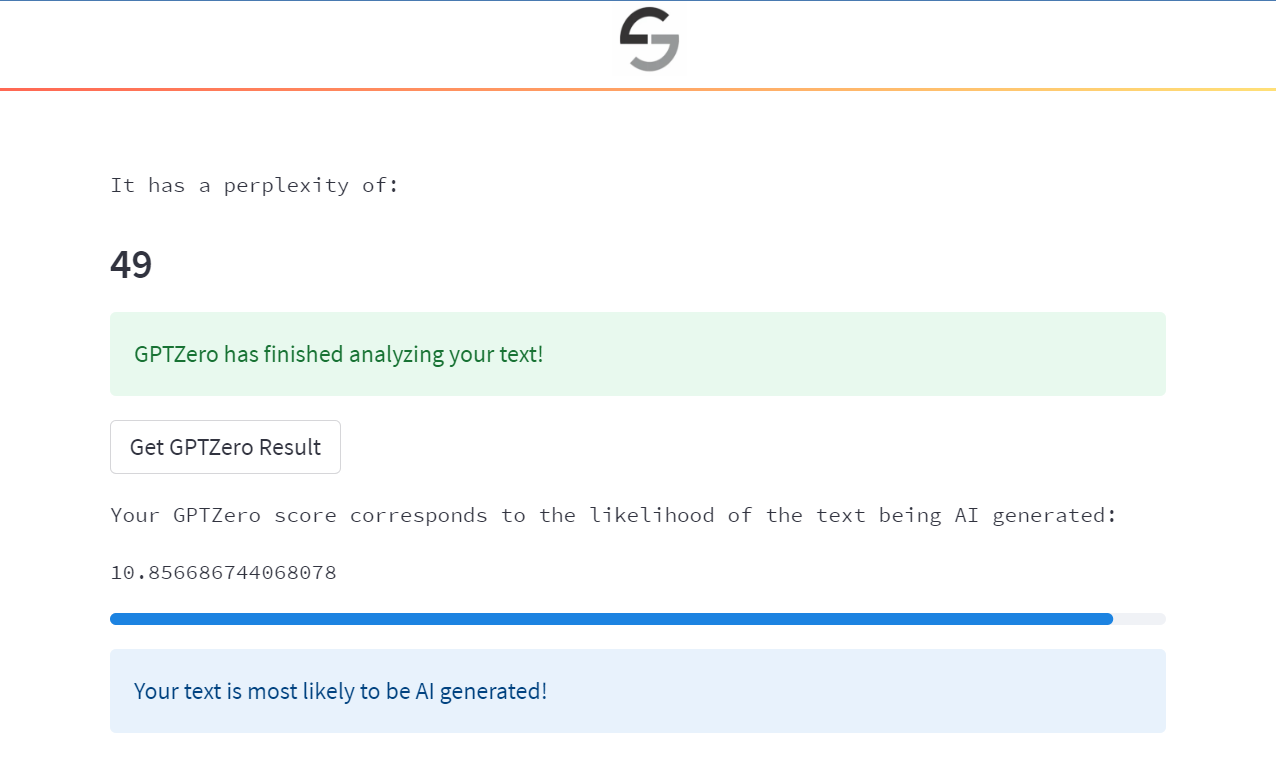
For example, platforms like GPTZero recommend using AI detectors as part of a holistic assessment approach, allowing educators to evaluate students’ understanding and capabilities accurately.
2. Content Creation
For content creators, ensuring the authenticity and originality of their work is paramount. AI detectors assist writers, marketers, and journalists in verifying whether the content they produce is genuinely human-generated. This verification is essential for maintaining credibility, especially in fields where misinformation can have serious consequences.
3. Digital Security
AI detectors also enhance digital security by identifying deceptive content. In an age where misinformation can spread rapidly, these tools help organizations filter out AI-generated text that may be misleading or harmful. For instance, journalists can use AI Writing Detectors to identify false information and protect the integrity of their reporting.
The Technology Behind AI Detectors
The technology that powers AI detectors is both fascinating and complex. Here are some key components that contribute to their effectiveness:
1. Natural Language Processing (NLP)
AI detectors rely heavily on natural language processing, a branch of AI that focuses on the interaction between computers and human language. NLP algorithms analyze text data, enabling detectors to identify linguistic nuances and patterns that differentiate human writing from AI-generated content.
2. Machine Learning
Machine learning models are trained on extensive datasets that include both human and AI-generated texts. These models learn to recognize the subtle differences in language use, which allows them to make accurate predictions about the origin of a given text.
3. Data Analytics
Advanced data analytics techniques are employed to process and interpret the results generated by AI detectors. These insights can help users understand the likelihood that a text is AI-generated, as well as provide actionable feedback for improving writing quality.
Challenges and Limitations of AI Detectors
Despite their advancements, AI detectors are not without challenges. Here are some limitations to consider:
- False Positives and Negatives: No AI detector can guarantee 100% accuracy. Sometimes, human-written content may be misclassified as AI-generated and vice versa. This limitation emphasizes the importance of using these tools as part of a broader assessment strategy.
- Evolving AI Technologies: As AI writing tools continue to evolve, detection tools must keep pace. This ongoing “arms race” can make it difficult for detectors to maintain their accuracy over time.
- Contextual Understanding: AI detectors may struggle with context. They might flag passages that are nuanced or contextually rich as AI-generated, even if they are not. This can lead to misinterpretations of the content.
The Future of AI Detectors
As AI technologies continue to advance, the future of AI detectors looks promising. Here are some trends to watch:
- Improved Algorithms: Ongoing research and development in machine learning and natural language processing will lead to more sophisticated detection algorithms. These improvements will enhance accuracy and reduce false positives.
- Integration with Other Tools: AI detectors may be integrated with other digital security tools, creating comprehensive solutions for content verification and authenticity. This integration will streamline the process for users across various industries.
- Ethical Considerations: As the use of AI detectors becomes more widespread, ethical considerations will emerge. It will be essential to strike a balance between utilizing these tools for security and respecting individual rights and privacy.
FAQs
What are AI detectors used for?
AI detectors are used to identify whether a piece of text has been generated by artificial intelligence or written by a human. They are commonly used in education, content creation, and digital security.
How accurate are AI detectors?
The accuracy of AI detectors varies depending on the tool and its underlying algorithms. Some tools claim accuracy rates of up to 99%, but no detector can guarantee 100% accuracy due to the evolving nature of AI-generated content.
Can AI detectors be tricked?
Yes, AI detectors can be tricked, especially if AI-generated content is modified to appear more human-like. This ongoing challenge highlights the importance of continuous updates and improvements in detection algorithms.
Are AI detectors necessary for education?
Yes, AI detectors are becoming increasingly necessary in educational settings to maintain academic integrity and ensure that students submit original work.
What should I consider when choosing an AI detector?
When selecting an AI detector, consider factors such as accuracy, ease of use, and the specific features that align with your needs. Tools like Decopy’s AI Detector offer a range of functionalities that can cater to different user requirements.

Conclusion
As AI continues to shape our digital landscape, understanding AI detectors and their functionality is crucial. These tools play a pivotal role in enhancing digital security and ensuring content authenticity. By leveraging advanced technologies, AI detectors are helping various industries navigate the challenges posed by AI-generated content. As we move forward, the ongoing development of these tools will be essential for maintaining trust and integrity in our increasingly digital world.
Share
Related Posts


AI Writing Tips
Jan 26, 2025