
Mastering the Art of Essay Writing: Crafting the Perfect Introduction Paragraph
Mastering the Art of Essay Writing: Crafting the Perfect Introduction Paragraph
Writing an essay can feel like a daunting task, especially when it comes to crafting the perfect introduction paragraph. I’ve often found that the introduction is the most crucial part of any essay, as it sets the tone and captures the reader’s interest. In this article, I will share my step-by-step guide on how to write an impactful introduction paragraph, along with tips and techniques that have helped me engage my readers right from the first sentence.
Why the Introduction Paragraph Matters
The introduction serves as the reader’s first impression of your essay. A well-written introduction can pique interest, while a poorly constructed one may lead to disinterest and disengagement. According to various educational resources, including Long Branch Public Schools, an effective introduction should include three main components: the lead, the bridge, and the thesis statement.
- Lead: This is the hook that grabs your reader’s attention. It should be engaging and relevant to your topic.
- Bridge: This section connects the lead to the thesis statement, providing background information or context.
- Thesis Statement: This is the core argument or claim of your essay, outlining what you will discuss.
In my experience, mastering the introduction paragraph can significantly enhance the overall quality of your essay.
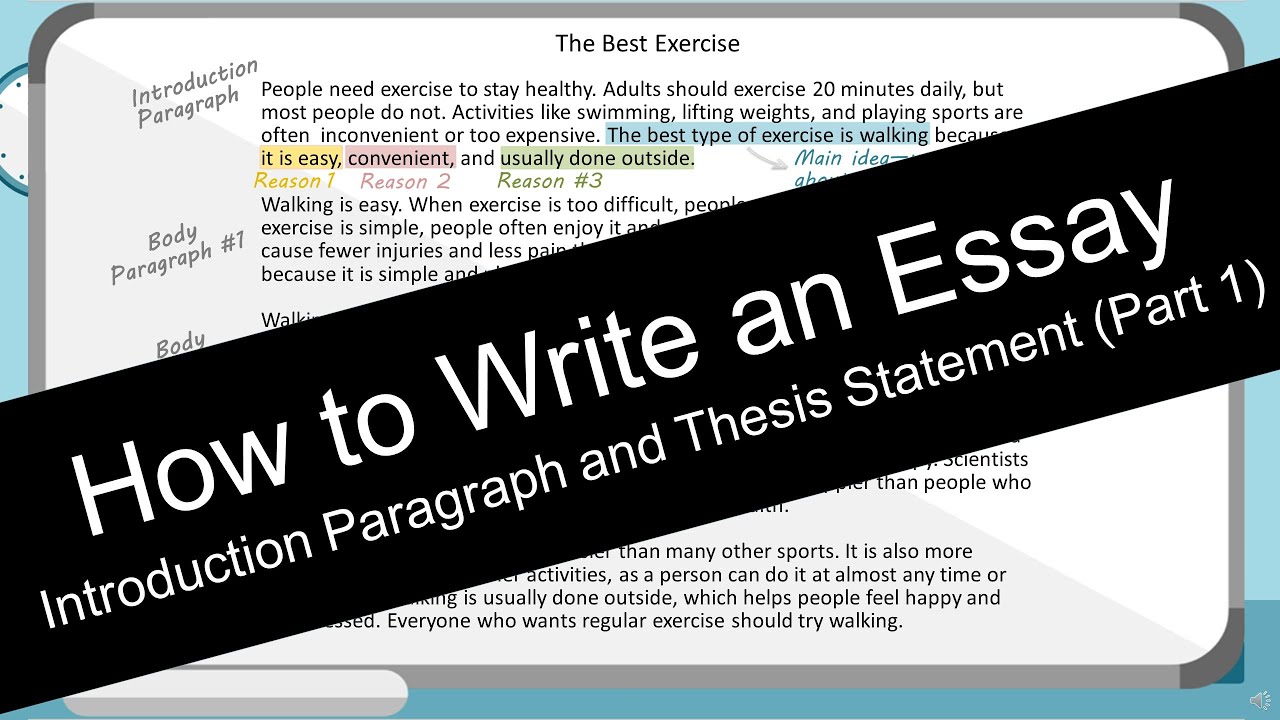
Step-by-Step Guide to Crafting an Introduction Paragraph
Step 1: Start with a Strong Hook
The first sentence of your essay is crucial; it should immediately capture the reader’s attention. Here are some effective strategies for writing a compelling hook:
- A Surprising Fact: Start with an interesting statistic or fact that relates to your topic.
- A Bold Statement: Make a provocative claim that challenges conventional wisdom.
- A Thought-Provoking Question: Pose a question that encourages the reader to think critically about the topic.
- An Anecdote: Share a brief personal story or anecdote that relates to your essay’s theme.
For example, if I were writing an essay on climate change, I might start with a startling statistic: “Did you know that over the past century, global temperatures have risen by nearly 2 degrees Fahrenheit?”
Step 2: Provide Context with a Bridge
Once you have your reader’s attention, it’s time to provide some context. The bridge connects your hook to your thesis statement. This can involve offering background information, defining key terms, or explaining the relevance of the topic.
For instance, following the hook about global temperatures, I might write: “As the effects of climate change become increasingly evident, understanding its causes and consequences is crucial for our survival.”
Step 3: Craft a Clear Thesis Statement
The thesis statement is the heart of your introduction paragraph. It should clearly express your main argument or point of view. A strong thesis statement is specific, debatable, and can be supported with evidence throughout your essay.
Continuing with the previous example, I might conclude my introduction with: “This essay will explore the primary causes of climate change, its impact on our planet, and the urgent need for collective action to mitigate its effects.”
Example of a Complete Introduction Paragraph
Here’s how all these elements come together in a complete introduction paragraph:
“Did you know that over the past century, global temperatures have risen by nearly 2 degrees Fahrenheit? As the effects of climate change become increasingly evident, understanding its causes and consequences is crucial for our survival. This essay will explore the primary causes of climate change, its impact on our planet, and the urgent need for collective action to mitigate its effects.”
Tips for Engaging Introductions
To further enhance the effectiveness of your introduction paragraph, consider the following tips:
- Be Concise: Aim for clarity and brevity. Avoid unnecessary jargon or overly complex sentences.
- Engage Your Audience: Tailor your language and tone to your intended audience. This can help create a connection with your readers.
- Revise and Edit: Don’t hesitate to revise your introduction. Sometimes, the best ideas come after you’ve written the main body of your essay.
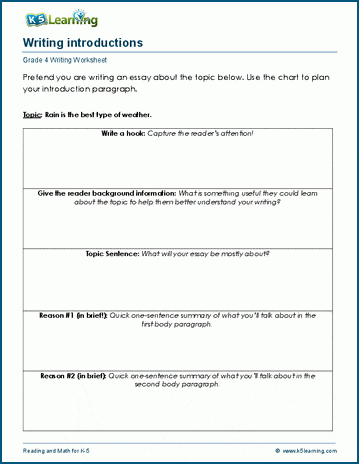
Downloadable Worksheet for Writing Introductions
To help you practice crafting your introduction paragraphs, I’ve created a downloadable worksheet that you can use. This worksheet will guide you through the process of creating a strong lead, bridge, and thesis statement. You can find it here.
Internal and External Resources
For additional assistance with essay writing, I highly recommend checking out WriteGo, a great tool for generating essays and improving your writing skills.
If you’d like to see a practical demonstration of writing an introduction paragraph, I suggest watching this YouTube video that provides a comprehensive guide on the subject.
FAQs
What is the purpose of the introduction paragraph in an essay?
The introduction paragraph serves to introduce the topic, engage the reader, and present the main argument or thesis of the essay.
How long should the introduction paragraph be?
Typically, an introduction paragraph should be about 5-10% of your total essay length. For a 2000-word essay, aim for 100-200 words.
Can I write the introduction after the body of the essay?
Yes! Many writers find it easier to write the introduction last. This allows you to have a clearer understanding of your essay before summarizing it in the introduction.
What should I avoid in my introduction paragraph?
Avoid vague statements, overly broad generalizations, and irrelevant information. Your introduction should be focused and directly related to the topic at hand.
How can I make my introduction more engaging?
Use strong hooks, relevant anecdotes, or thought-provoking questions. Tailor your tone and language to connect with your audience effectively.
Final Thoughts
Mastering the art of essay writing begins with crafting a compelling introduction paragraph. By following the steps outlined in this article, I believe you can create engaging introductions that not only capture attention but also set a solid foundation for your essays. Whether you’re writing for school, work, or personal projects, these techniques will serve you well in your writing journey. Happy writing!
Share this article
Related Posts


