
Crafting an Easy Essay: A Step-by-Step Guide for Students
Crafting an Easy Essay: A Step-by-Step Guide for Students
Writing an essay can often feel like an overwhelming task, especially for students who are just starting out. I remember my early days of essay writing, filled with uncertainty and confusion about how to structure my thoughts and express my ideas clearly. However, over time, I discovered some effective techniques that made the process not only easier but also enjoyable. In this comprehensive guide, I will share my secrets to crafting an easy essay, covering everything from selecting a topic to organizing your thoughts and improving your writing skills.
Understanding Essay Structure
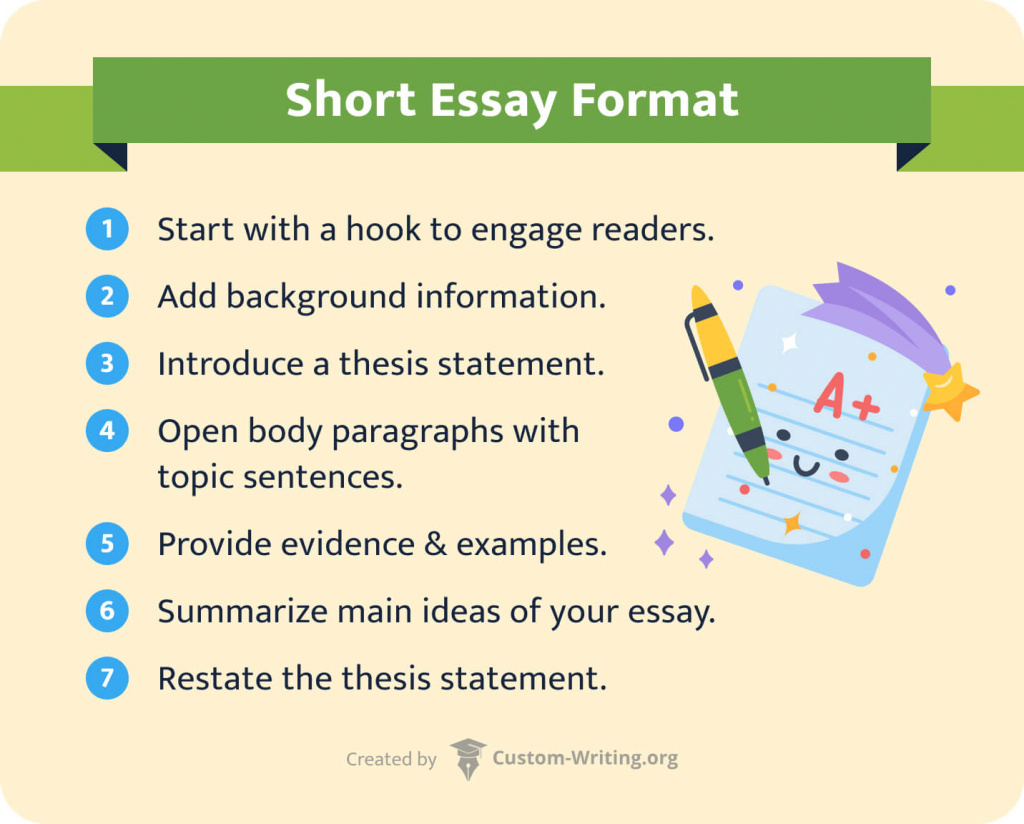
Before diving into the writing process, it’s essential to understand the basic structure of an essay. An essay typically consists of three main parts: the introduction, the body, and the conclusion.
1. Introduction
The introduction serves as the first impression of your essay. It should grab the reader’s attention and provide some background information on the topic. Additionally, it should include a clear thesis statement that outlines the main argument or point of your essay.
Example of a thesis statement: “Social media has transformed the way we communicate, but it also poses significant risks to mental health.”
2. Body
The body of the essay is where I delve into the details of my argument. Each paragraph should focus on a single point that supports my thesis. I typically start each paragraph with a topic sentence that summarizes the main idea, followed by evidence and examples to back it up.
- Paragraph Structure:Topic Sentence
- Supporting Evidence
- Explanation
- Transition to the next paragraph
3. Conclusion
The conclusion wraps up the essay by summarizing the main points and reiterating the thesis. It’s essential to leave the reader with something to think about, whether it’s a call to action or a thought-provoking statement.
Example of a concluding statement: “As we navigate the complexities of social media, it is crucial to prioritize our mental well-being and develop healthy online habits.”
Choosing the Right Topic
Selecting the right topic can be one of the most challenging aspects of essay writing. I often recommend brainstorming ideas that interest me or relate to my studies. Here are some strategies that have worked for me:
- List My Interests: Write down topics that excite me or that I am passionate about.
- Consider Current Events: Look for issues in the news that resonate with me.
- Think About My Audience: Consider what my readers might find engaging or relevant.
Once I have a list of potential topics, I narrow it down by considering which ones I can find enough information about and which ones I feel confident discussing.
Writing Tips for Clear Expression
Clarity is key when it comes to essay writing. Here are some tips that have helped me express my thoughts more clearly:
- Use Simple Language: Avoid jargon and overly complex vocabulary. Instead, aim for straightforward language that conveys my ideas effectively.
- Be Concise: I strive to be as concise as possible while still providing enough detail. This helps me avoid fluff and keeps my writing focused.
- Vary Sentence Structure: Mixing up my sentence lengths and structures can make my writing more engaging. I often use a combination of short, impactful sentences and longer, more descriptive ones.
- Proofread: I never underestimate the power of proofreading. Taking the time to review my work allows me to catch grammatical errors and improve overall clarity.
The Writing Process
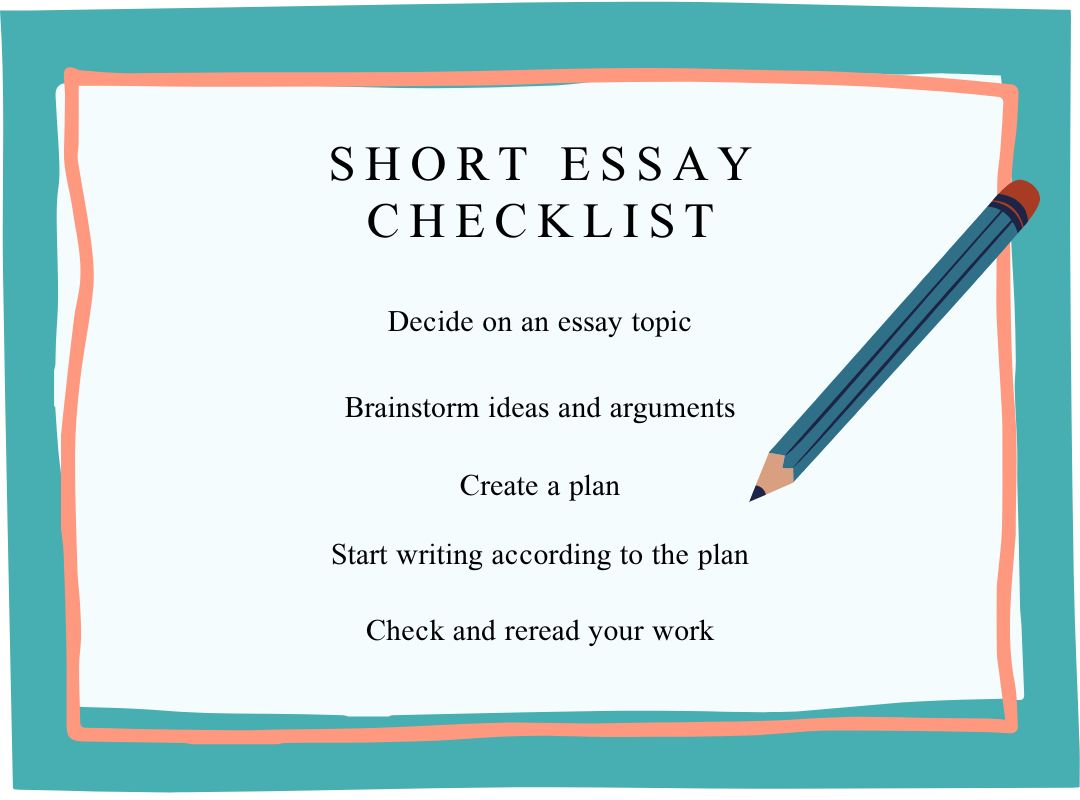
Now that I’ve laid the groundwork, it’s time to start writing. I typically follow these steps in my writing process:
1. Outline
Creating an outline helps me organize my thoughts and ensures that I cover all necessary points. I usually draft a simple outline based on the essay structure mentioned earlier.
2. Drafting
With my outline in hand, I begin drafting my essay. I focus on getting my ideas down on paper without worrying too much about perfection at this stage.
3. Revising
After completing my first draft, I take a break before revisiting it. This allows me to approach my work with fresh eyes. During the revision phase, I look for areas where I can add clarity, enhance arguments, and refine my language.
4. Editing
Editing is where I focus on grammar, punctuation, and formatting. I often read my essay aloud to catch any awkward phrasing or errors that I might have missed.
5. Final Review
Finally, I conduct a last review to ensure that my essay flows well and meets the assignment requirements.
Utilizing Tools for Essay Writing
In today’s digital age, there are numerous tools available that can aid in the essay writing process. For instance, I often use AI writing assistants to help brainstorm ideas and refine my drafts. Websites like EasyEssay offer resources that can save time and improve writing skills. They can generate well-structured essays or provide insights into effective writing techniques.
Additionally, platforms such as Wrizzle AI provide AI essay writing services that can help me get started or overcome writer’s block. These tools are designed to complement my writing process, not replace it.
Frequently Asked Questions (FAQs)
Q1: What is the best way to start an essay?
A: The best way to start an essay is by crafting a compelling introduction that includes a hook to grab the reader’s attention, followed by some background information and a clear thesis statement.
Q2: How can I improve my essay writing skills?
A: To improve your essay writing skills, practice regularly, read well-written essays, seek feedback from peers or instructors, and utilize writing resources and tools.
Q3: How long should my essay be?
A: The length of your essay depends on the assignment requirements. However, most essays range from 500 to 2000 words. Always check with your instructor for specific guidelines.
Q4: What should I do if I experience writer’s block?
A: If you experience writer’s block, try taking a break, brainstorming ideas, or using AI writing tools to generate prompts and get started.
Conclusion
Crafting an easy essay doesn’t have to be a daunting task. By understanding the structure of an essay, choosing the right topic, and following a clear writing process, I have found that I can express my thoughts more effectively and confidently. Remember, writing is a skill that improves with practice, so don’t be afraid to experiment and refine your style. With the right tools and techniques, anyone can become a proficient essay writer.
For further assistance in your writing journey, consider exploring resources like essay writer service to enhance your skills and streamline your writing process. Happy writing!
Share
Related Posts

Content Creation
Feb 20, 2025

Content Creation
Jan 27, 2025
